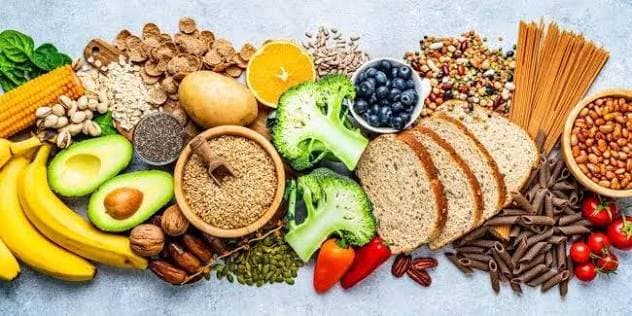
Why Am I Hungry After Eating Healthy Food?
Eating healthy but still feeling hungry? The answer may have more to do with meal balance than simply choosing “healthy” foods.
By Dt. Sabah Ghare
You’re eating homemade meals, choosing fruits and vegetables, cutting down on fried foods—and yet you feel hungry again shortly after eating.
Does that mean your diet is unhealthy? Not necessarily. A nutritious meal and a satisfying meal are related, but they are not always the same thing.
How full and satisfied you feel can depend on several factors, including protein, fibre, food volume, meal composition, eating speed and portion size.
What Makes a Meal More Satisfying?
Protein: Including protein in your meals can support fullness and help make meals more satisfying.
Fibre: Vegetables, fruits, legumes and whole grains add fibre and can contribute to a more satisfying meal.
Food volume: Foods with higher water and fibre content can provide more physical volume without relying entirely on calorie-dense foods.
Balanced composition: Combining protein, fibre-rich foods, carbohydrates and appropriate fats can make a meal more complete.
Eating pace: Eating too quickly can make it harder to notice your body's fullness signals.
1. Don't Forget the Protein
One simple question can improve the structure of your meals: “Where is my protein?”
Depending on your preferences, protein can come from eggs, chicken, fish, curd, paneer, dal, beans, tofu and other protein-rich foods.
You don't need to eliminate carbohydrates to eat a balanced meal. Instead, give protein an appropriate place alongside vegetables and carbohydrates.
2. Fibre Is More Than Just a Digestion Nutrient
Fibre is commonly associated with digestive health, but fibre-rich foods can also contribute to fullness.
Vegetables, fruits, lentils, beans, whole grains, nuts and seeds are examples of foods that can contribute fibre to your diet.
Instead of asking, “Which food burns fat?”, ask: “Does this meal contain enough protein and fibre to keep me satisfied?”
3. Food Volume Matters
A small portion of a calorie-dense food can be eaten quickly, while a meal containing vegetables, protein and a moderate carbohydrate portion may provide considerably more physical volume.
This is why the concept of food volume can be useful when building meals. Vegetables and fruits, for example, contain substantial amounts of water and can add volume to meals.
This does not mean calorie-dense foods are “bad”. Foods such as nuts, seeds, cheese and oils can provide valuable nutrients, but their portions still matter.
4. “Healthy” Shouldn't Mean “Too Little”
Sometimes the problem is not the food choices—it is simply that the meal is too small.
A diet built around tiny portions may look disciplined, but constantly feeling hungry can make an eating pattern difficult to maintain.
Remember: Hunger is not a measure of how successful your diet is. A sustainable nutrition plan should provide adequate nourishment while fitting your individual needs and goals.
A Simple Way to Build a More Satisfying Meal
Instead of searching for individual “diet foods”, think about the overall structure of your meal.
Protein
Eggs, chicken, fish, paneer, curd, dal, beans or tofu.
Fibre-rich foods
Vegetables, fruits, legumes and whole grains.
Carbohydrates
Rice, roti, oats, potatoes or other preferred carbohydrate sources.
Healthy fats
Nuts, seeds, olive oil, avocado or other suitable sources.
What Could This Look Like?
The appropriate portions will vary depending on your individual nutritional needs, activity level, health status and goals.
The Bigger Picture
Feeling hungry does not automatically mean that your diet is unhealthy. Similarly, feeling full does not automatically mean that you have eaten a nutritious meal.
The goal is not to create meals that make you forget about food. It is to build meals that provide adequate nutrition, reasonable satisfaction and can realistically fit into your lifestyle.
If you are regularly hungry despite making healthy food choices, look beyond individual foods. Consider your overall meal composition, protein intake, fibre intake, portions, activity level and eating pattern.
The takeaway:
Healthy eating is not just about choosing nutritious foods. It is also about creating meals that nourish you, satisfy you and fit your real life.
Nutrition tip: Before adding another “healthy” food to your diet, look at your entire meal. A balanced combination of protein, fibre-rich foods, carbohydrates and appropriate fats can be more useful than focusing on one individual food.
Ready to Make Your Nutrition More Sustainable?
Small food swaps. Smarter choices. Sustainable nutrition.
Explore the 3-Month Nutrition Plan